Body Contouring Farmington Hills: Where Wellness Meets Aesthetic Care
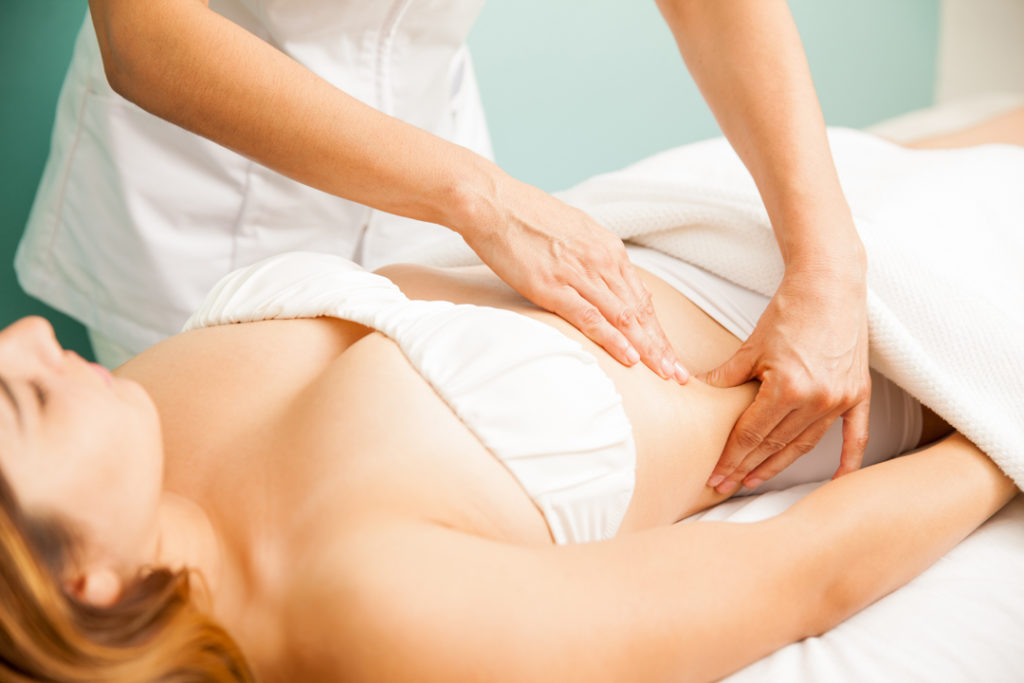
Body contouring sits at an interesting intersection of medicine, aesthetics, and everyday life. People rarely seek it for vanity alone, despite the stereotype. More often, they come in after a weight loss milestone, after pregnancy, after menopause, or after years of doing the right things and still feeling frustrated by a few stubborn areas that do not respond the way the rest of the body does. In a community like Farmington Hills, where patients tend to be informed, busy, and practical, the conversation is usually less about chasing a trend and more about feeling proportionate, comfortable, and confident in their own skin.
That distinction matters. Good body contouring is not simply about shrinking a measurement or fitting into a different size. It is about assessing body composition, skin quality, muscle tone, lifestyle habits, and expectations, then choosing a treatment path that actually fits the person. When it is done thoughtfully, aesthetic care supports wellness rather than competing with it.
The phrase Body Contouring Farmington Hills often brings up sleek marketing language and dramatic before and after photos. Those have their place, but they do not tell the whole story. The real value is found in the consultation room, where decisions are made carefully, side effects are discussed honestly, and results are framed in realistic terms.
Why patients look into body contouring in the first place
There is a pattern that shows up again and again in practice. A patient is eating well, walking regularly, maybe lifting weights two or three times a week, and they are still bothered by fullness under the chin, laxity around the abdomen, or pockets along the flanks and thighs. Another patient has done an impressive job losing 30 or 50 pounds, yet the mirror still reflects loose skin or uneven contours that exercise cannot fix. A third patient has always had a genetically fuller midsection despite being otherwise lean.
None of those scenarios is unusual. Bodies do not distribute fat evenly. Skin does not tighten at the same pace in every person. Hormones, age, medications, pregnancies, sleep quality, and stress all influence shape. Aesthetic medicine has become better at acknowledging these realities rather than pretending every concern can be solved with diet alone.
The most satisfied patients tend to be the ones who understand that body contouring is an adjunct, not a replacement, for healthy routines. It refines. It does not absolve. It can create visible changes, sometimes very satisfying ones, but it works best when it is built on stable habits.
What body contouring actually means
Body contouring is a broad term. In some settings, it refers to surgical procedures such as liposuction or abdominoplasty. In many aesthetic practices, it more commonly refers to noninvasive or minimally invasive treatments designed to reduce localized fat, improve skin firmness, tone muscle, or smooth cellulite. The umbrella is wide, which is why consultations matter so much.
A patient who says, “I want my stomach tighter,” may be describing any one of several issues. They may have pinchable Farmington Hills body treatments subcutaneous fat. They may have skin laxity. They may have separation of the abdominal muscles after pregnancy. They may have a little of all three. Treating the wrong problem, even with a sophisticated device, leads to disappointment.
That is where experienced judgment makes a difference. A skilled provider does not start with the machine. They start with anatomy and goals.
The role of wellness in aesthetic outcomes
The most effective providers in this space have moved away from the old model of isolated cosmetic treatment. They understand that results are shaped by the body’s baseline health. Hydration, inflammation, sleep, nutrition, insulin sensitivity, and physical activity all influence how someone responds to treatment and how long those results last.
Take recovery and tissue response as an example. A well hydrated patient who eats enough protein, manages stress reasonably well, and maintains a stable weight often sees smoother healing and more predictable changes over time. Someone cycling through crash diets and periods of inactivity may still be a candidate, but the results may fluctuate. That is not a moral judgment. It is simply how biology behaves.
This is one reason the best Body Contouring Farmington Hills consultations often feel closer to a comprehensive wellness discussion than a quick retail transaction. A provider may ask about exercise habits, medications, weight history, thyroid issues, or postpartum changes. For some patients, that depth is reassuring. For others, it is unexpected. Either way, it usually signals a more thoughtful standard of care.
Matching the treatment to the concern
Different technologies address different goals. Cold based fat reduction targets localized fat in selected areas. Radiofrequency based treatments may help with skin tightening and, depending on the device, mild fat reduction. Electromagnetic muscle stimulation focuses more on strengthening and toning muscle while also affecting surrounding tissue. Some systems combine heat, suction, or mechanical massage to improve the look of cellulite or texture irregularities.
The nuance lies in the details. A patient with a small, soft lower abdominal fullness and decent skin elasticity may do well with noninvasive fat reduction. A patient with notable loose skin after major weight loss may be underwhelmed by the same treatment because removing a modest amount of fat can make the laxity more obvious. In that case, a surgical referral may actually be the more honest and helpful recommendation.
This is where experience often shows. Newer patients sometimes arrive convinced they need one specific treatment because they saw it online. After a proper exam, they may learn that the issue bothering them is not primarily fat at all. I have seen more than one person spend years blaming “stubborn belly fat” when the bigger issue was skin redundancy and weakened abdominal support after pregnancy. Once that is identified, the conversation changes completely.
What a careful consultation should include
A serious consultation is both visual and tactile. Providers look at standing posture, symmetry, skin quality, and where fat is actually distributed. They also assess whether the skin snaps back or hangs, whether there is tenderness or scar tissue from prior procedures, and whether cellulite dimpling is related more to fibrous bands or volume changes.
Just as important, they ask how the patient wants to feel in their clothes and what kind of downtime fits their life. Those practical concerns matter more than brochures admit. A parent with young children may prefer a series of lunchtime treatments with little interruption, even if the final change is gradual. A patient planning a wedding or reunion may care more about timing than about pursuing the most comprehensive option.
Strong consultations also include direct talk about limitations. Noninvasive body contouring can produce visible changes, but it usually works in increments, not transformations. Some patients notice the difference most when clothing fits better or when they compare photos taken two or three months apart. If Body Contouring Farmington Hills someone expects a treatment to replicate surgical liposuction without surgery, the provider should reset that expectation immediately.
Areas people commonly treat
The most frequently discussed zones are familiar for a reason. They are common trouble spots and often resistant to lifestyle efforts. Abdomen and flanks lead the list in many practices, followed by inner and outer thighs, upper arms, under the chin, and the area sometimes called the banana roll beneath the buttocks. Men often ask about the abdomen and love handles. Women frequently ask about the lower abdomen, bra line, thighs, and postpartum changes.
Even within the same body area, treatment planning varies. The abdomen of a 32 year old three years after childbirth does not behave like the abdomen of a 58 year old after menopause and weight cycling. One may have decent elasticity and a small amount of isolated fat. The other may have thinner skin, variable firmness, and a different healing profile. Personalized planning is not a luxury in this field. It is the main event.
What results usually look like in real life
One of the biggest disconnects in aesthetic care comes from imagery. Marketing photos are often standardized, carefully lit, and selected from the best responders. Real life is less dramatic and more personal. A subtle reduction in flank fullness may mean a blazer hangs cleaner. Improved lower abdominal contour may mean fewer wardrobe compromises. Mild skin tightening may mean someone feels comfortable in fitted knitwear again. These are not small gains to the patient living in that body every day.
Patients also need to understand the timeline. Many noninvasive treatments unfold gradually over several weeks or months. The body needs time to process treated fat or remodel collagen. This can be frustrating for people used to immediate gratification, but it has one hidden advantage. Gradual change often looks more natural. Friends may comment that someone looks fitter or refreshed without being able to identify why.
That said, not every patient is a dramatic responder. Some see modest improvement and are delighted. Others see moderate change and wish it had been more. Success depends on the baseline concern, the technology used, adherence to treatment spacing, and whether the original goal was realistic.
The Farmington Hills advantage: informed patients, higher expectations
Practices serving Farmington Hills often work with patients who ask smart questions. They want to know how a treatment works, what it feels like, how many sessions are needed, and whether the result will still matter six months from now. That can make for better outcomes because informed patients tend to choose more appropriately.
It also means practices cannot rely on vague promises. If a clinic offers Body Contouring Farmington Hills services at a high level, it should be able to explain candidly who is likely to benefit and who is not. It should be able to discuss maintenance. It should be able to show consistent photography and talk about recovery in concrete terms.
I have always respected the providers who are willing to say, “You are a borderline candidate,” or “I can improve this somewhat, but surgery would do more.” That kind of honesty may lose a same day sale, but it builds trust and usually leads to better long term relationships.
How to judge a provider without getting distracted by marketing
The quality gap in aesthetic care is not always obvious from a website. Beautiful branding can coexist with superficial assessment. A modest office can house an exceptionally careful clinician. Patients do well when they focus on substance.
A strong provider will talk about candidacy before cost, examine the area in person rather than relying only on photos, and explain what the treatment can and cannot do. They will also discuss side effects plainly. Temporary redness, swelling, numbness, soreness, or bruising can happen with many body contouring modalities. Some treatments require multiple sessions for the best effect. Some are uncomfortable during application or for a few days after. None of that should be hidden.
The consultation should not feel rushed or scripted. If every patient is steered toward the same package regardless of age, body type, or concern, that is a warning sign. Human bodies are too varied for one size fits all contouring.
Questions worth asking before you commit
Patients do not need a medical degree to evaluate the quality of a recommendation. A few well chosen questions reveal a lot about the thoughtfulness of a practice.
- What specific issue are you treating here, fat, skin laxity, muscle tone, or cellulite?
- How much improvement is realistic for my body, not your best before and after photos?
- How many sessions do patients like me usually need?
- What will recovery look like over the next few days and weeks?
- If I am not a strong candidate, what would you recommend instead?
Those questions tend to slow the process down in a good way. They move the conversation from hype to fit.
The emotional side that rarely gets discussed well
Body image is complicated. Even very practical patients can carry years of frustration into an aesthetic appointment. Maybe they avoided family photos from the side. Maybe they never felt fully comfortable after a cesarean section scar changed the lower abdomen. Maybe they worked hard to lose weight and expected to feel triumphant, only to feel unsettled by loose skin. These experiences are common, and they deserve respectful handling.
The best aesthetic care does not exploit insecurity. It meets the patient where they are, validates the concern, and keeps the plan proportionate. Sometimes that means proceeding with treatment. Sometimes it means suggesting a pause. If someone is chasing perfection or tying too much self worth to a single body area, a skilled provider will recognize that tone in the room.
There is also a very practical emotional benefit to well done treatment. When people feel more at ease in their body, they often move differently. They engage more. They stop tugging at their clothes. They return to activities they had quietly been avoiding. That confidence can be hard to quantify, but it is real.
The trade offs between noninvasive and surgical approaches
Noninvasive body contouring appeals for obvious reasons. It usually involves less downtime, lower immediate risk, and a more manageable recovery. For busy professionals, parents, and patients who are not ready for surgery, that matters. The trade off is that results are usually more modest and sometimes require patience and repeat sessions.
Surgical contouring delivers more dramatic reshaping when indicated, especially in cases of major skin laxity or larger volume removal. The trade off is greater cost, more downtime, and a true recovery period. There is no universally better category. There is only the better match for a given anatomy, tolerance for downtime, and desired endpoint.
One of the most productive conversations a patient can have is not “What is the newest treatment?” but “Given my actual body and my tolerance for recovery, which path makes the most sense?” That framing leads to far fewer regrets.
Maintenance matters more than people expect
Body contouring is not a loophole around biology. Treated fat cells may be reduced in a specific area, but the body can still store fat elsewhere, and weight gain can soften the result. Collagen stimulated skin tightening can improve firmness, but aging continues. Muscle tone supported by device based treatment still benefits from actual movement and strength work.
This does not mean the results are fragile. It means they are part of an ongoing relationship with the body. Patients who keep a stable weight, stay active, and follow through on maintenance when appropriate often remain pleased for a long time. Patients who expect a single treatment to permanently override lifestyle patterns usually feel less satisfied.
A realistic maintenance plan may include periodic follow up imaging or photos, repeat sessions spaced over time, and attention to nutrition, sleep, and exercise. That is the wellness side of the equation, and it is often what separates a short lived cosmetic experiment from a durable investment in self care.
When it is smart to wait
Not every moment is the right time for body contouring. If weight is still changing significantly, it can make sense to stabilize first. If someone is early postpartum, allowing the body more recovery time may improve decision making. If a patient is starting a new medication that affects weight or fluid retention, waiting can help create a clearer baseline.
There are also scheduling realities. Some treatments cause temporary swelling or soreness, and not everyone wants to manage that before a vacation or major event. Timing is part of treatment planning, not an afterthought.
Thoughtful providers are comfortable telling patients to come back later. That can feel disappointing in the moment, but it often leads to better results and more confident choices.
Where aesthetic care earns its place
When body contouring is practiced responsibly, it fills a legitimate role. It helps bridge the gap between how hard people work on their health and what their bodies sometimes hold onto anyway. It can restore proportion after life changes. It can improve clothing fit, posture confidence, and comfort. Most importantly, it can do so without pretending to be something it is not.
For patients exploring Body Contouring Farmington Hills options, the smartest move is not to chase the loudest advertising. It is to find a provider who evaluates the whole picture, explains trade offs clearly, and treats body concerns with both clinical precision and restraint. That is where wellness truly meets aesthetic care, not in the slogan, but in the standard of judgment behind every recommendation.