Liposuction Michigan and Combination Body Sculpting Treatments
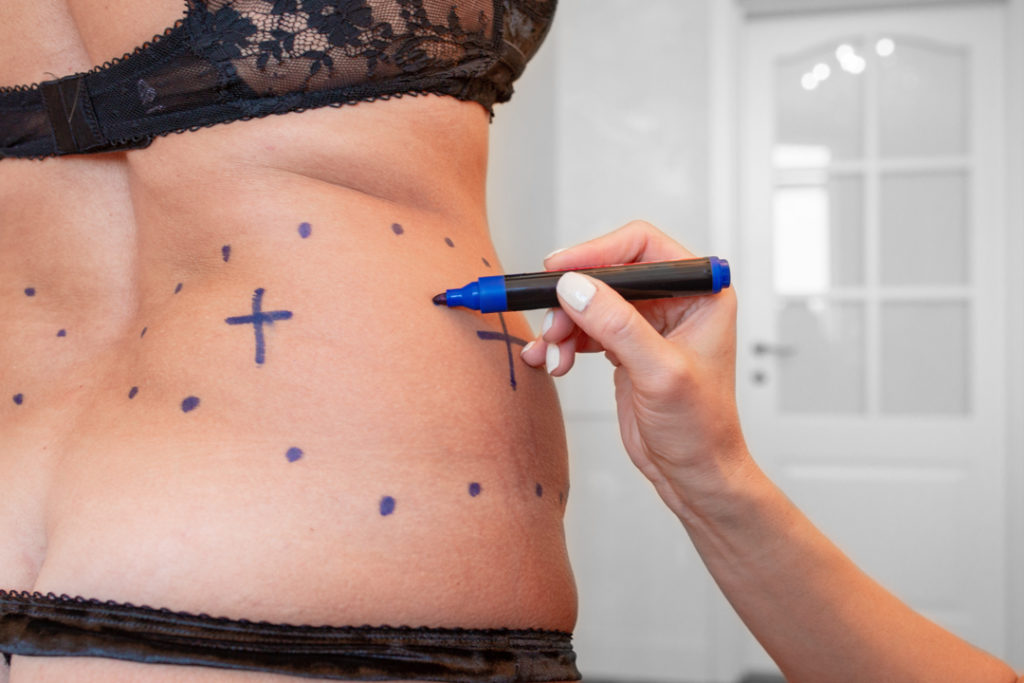
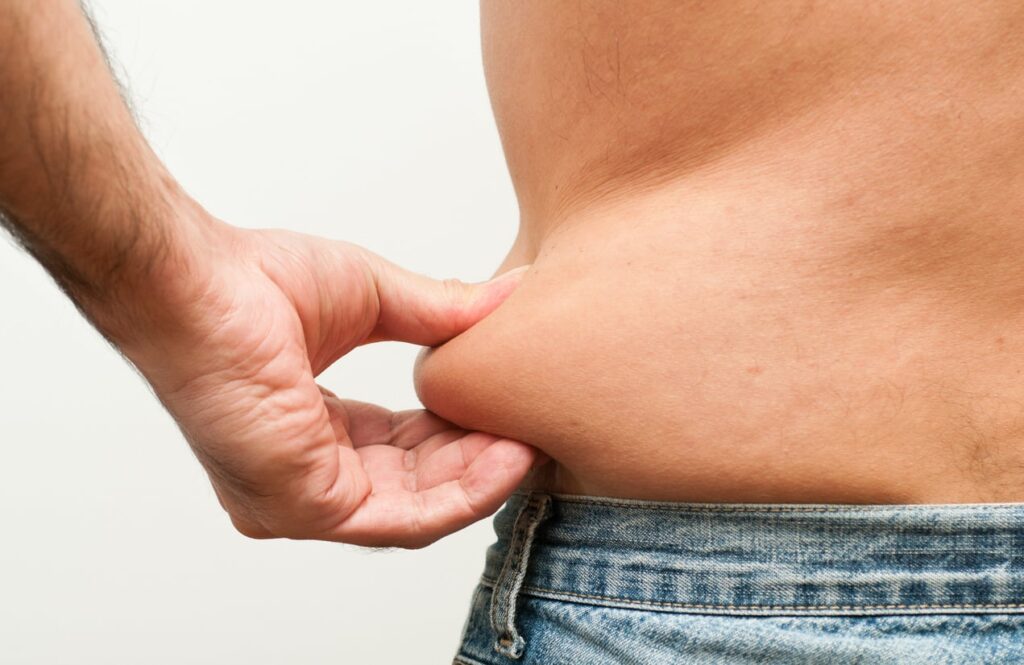
Body contouring conversations have changed quite a bit over the past decade. Patients are often better informed, more realistic, and far more interested in customization than they used to be. They are not usually asking for a single procedure in isolation. More often, they come in with a broader goal: a flatter abdomen after pregnancy, better waist definition after weight loss, smoother contour through the flanks, or improved proportion between the torso and thighs. That shift matters, because liposuction works best when it is approached as one tool within a larger body sculpting plan rather than a magic fix.
For people researching Liposuction Michigan, one of the most important things to understand is that modern treatment planning rarely stops at fat removal alone. Surgeons now routinely evaluate skin quality, muscle laxity, weight stability, and the way neighboring areas affect the final silhouette. A patient may think the problem is just fullness in the lower abdomen, while the more complete answer may involve the flanks, upper abdomen, and sometimes skin tightening or a tummy tuck. The best outcomes tend to come from seeing the body as a whole.
Why combination treatment planning matters
Liposuction removes pockets of stubborn fat that have not responded to diet or exercise. It does not tighten separated abdominal muscles. It does not remove significant excess skin. It does not change the quality of cellulite, and it is not a weight-loss procedure. Those points sound basic, but they are where many expectations get off track.
A patient at a stable weight with good skin elasticity and isolated fullness along the waist can do very well with liposuction alone. Another patient with similar fat distribution but looser skin after two pregnancies may be disappointed if liposuction is performed without addressing skin redundancy. The same procedure can create a very different result depending on tissue quality and anatomy.
This is where combination body sculpting treatments come in. Sometimes the right plan is surgical, such as liposuction plus abdominoplasty. Sometimes it is a staged plan that mixes surgery with minimally invasive treatments. In practice, the goal is not simply to make one area smaller. The goal is to create cleaner transitions, better proportion, and a result that still looks natural when the patient bends, sits, and moves.
What liposuction actually does well
The strongest liposuction candidates usually have a few things in common. Their weight has been relatively stable for several months. They have focal areas of fat that persist despite healthy habits. Their skin still has enough resilience to contract once the volume underneath is reduced. They understand that body contouring refines shape rather than replacing nutrition or exercise.
The areas most commonly treated include the abdomen, flanks, back, thighs, arms, submental area under the chin, and sometimes the chest in men. In experienced hands, liposuction can sharpen the waistline, reduce fullness at the bra line, soften outer thigh bulges, and improve the way clothing fits. Some patients are less interested in visible transformation in a swimsuit and more interested in getting rid of the constant frustration of one area that never seems to change. That is a perfectly reasonable reason to consider it.
Technique also matters. Traditional suction-assisted liposuction remains effective, but many practices now use power-assisted or ultrasound-assisted approaches depending on the treatment area and surgeon preference. The method is less important than the judgment behind it. Removing too little leaves patients underwhelmed. Removing too aggressively risks unevenness, contour irregularities, or an overly skeletonized appearance, especially in leaner patients. Good liposuction is often restrained, precise, and strategic.
The Michigan factor: what local patients often consider
Patients looking into Liposuction Michigan Liposuction Michigan tend to have a few regional considerations that come up often in consultations. Seasonal recovery planning is one of them. Michigan winters can make recovery logistically easier for some patients because they are already wearing looser clothing and spending more time indoors. Others prefer spring or early summer so they can be fully healed before vacations or lake season. Neither approach is universally better, but timing recovery around work demands, childcare, and social calendars tends to matter more than the weather itself.
There is also the practical side of recovery in a state where commuting times vary and many people drive themselves nearly everywhere. Someone traveling from Grand Rapids, Ann Arbor, Troy, Lansing, or northern communities may need to think more carefully about follow-up logistics, a driver for surgery day, and support during the first several days afterward. These are not glamorous details, but they strongly influence how smooth the recovery feels.
Michigan patients also frequently ask a sensible question: if I am already going through surgery and downtime, should I address more than one issue at once? That question often leads directly into combination body sculpting treatment planning.
Common combinations that make sense
Some pairings are so common because they solve problems that tend to appear together. Fat excess, skin laxity, and loss of structural support often coexist, especially after pregnancy or major weight change.
A few of the most common combination approaches include:
- Liposuction with tummy tuck for patients who have both stubborn abdominal fat and loose skin or muscle separation.
- Liposuction of the abdomen with flank contouring to improve the waist as a complete unit rather than treating the front alone.
- Liposuction with fat transfer, such as adding volume to the buttocks or correcting contour transitions in selected patients.
- Liposuction with skin-tightening technology in carefully chosen cases where laxity is mild rather than severe.
- Liposuction across multiple zones, such as abdomen, back, and thighs, when overall proportion matters more than a single spot.
Those combinations are not interchangeable. A patient with moderate skin looseness who hopes to avoid a tummy tuck may do reasonably well with liposuction plus a tightening treatment, but there is a ceiling to what non-excisional tightening can accomplish. If there is true overhang or muscle separation, no device will deliver the same result as surgical excision and repair. Honest planning at the beginning prevents disappointment later.
Liposuction and tummy tuck: the pairing patients ask about most
This is the combination that deserves the most direct discussion because it is often misunderstood. Liposuction and tummy tuck address different layers of the problem. Liposuction removes fat. A tummy tuck removes excess skin and can tighten the abdominal wall if the rectus muscles have separated. Many postpartum patients need both.
A common scenario looks like this: a patient has done the work, lost the pregnancy weight, resumed exercise, and still notices a lower abdominal pouch with stretched skin and a waistline that no longer has clear definition. They may have a modest diastasis, where the abdominal muscles have drifted apart, creating central fullness that no amount of core work completely fixes. If liposuction alone is used, the skin may not contract well enough, and the lower abdomen can still project. If a tummy tuck is done without contouring adjacent areas, the abdomen may be flatter but the torso can still look boxy. Together, these procedures often produce the balanced result the patient had in mind all along.
That said, combining procedures also means a more involved recovery. Patients usually need more time away from strenuous activity, more help during the first week, and a clearer plan for compression garments, mobility, and follow-up care. A longer operation may also increase cost and complexity. It is often worth it, but not everyone benefits from doing everything at once.
Liposuction with non-surgical body sculpting
This category is growing because many patients want to bridge the gap between surgery and maintenance. Non-surgical technologies can help in selected situations, but they need to be framed correctly. They are usually adjuncts, not substitutes, for surgery when there is substantial fat, laxity, or tissue descent.
Radiofrequency skin tightening, ultrasound-based treatments, and other energy devices may complement liposuction by helping mild skin looseness look a bit better over time. Some offices also use lymphatic massage protocols or postoperative technologies to support swelling resolution, though the value of these varies by patient and by practice style.
What these options cannot do is recreate the effect of surgical skin removal. If someone has enough loose tissue to fold over a waistband, the issue is beyond what a non-surgical tightening treatment is likely to fix in a meaningful way. On the other hand, a younger patient with mild laxity after a small-volume liposuction procedure may see a worthwhile refinement from adjunctive treatment. Good judgment lies in knowing the difference.
Treating adjacent areas often changes the whole result
One of the most frequent reasons patients feel underwhelmed after body contouring is that only the obvious area was treated. The body does not present itself as isolated boxes. The lower abdomen blends into the upper abdomen, flanks, lower back, hips, and pubic region. The inner thigh affects the knee line. The upper arm affects the side chest. If one zone changes but the neighboring zone does not, the eye still reads imbalance.
This is especially relevant with abdominal contouring. Treating the front of the abdomen without addressing the flanks often leaves the waist less defined than expected. Sometimes a small amount of liposuction in the flanks does more for the appearance of the waist than additional volume removal in the center abdomen. Similarly, contouring the bra line or upper back can dramatically improve the way the torso looks in fitted clothing, even if the patient initially focused only on the stomach.
Patients do not necessarily need more treated areas. They need the right ones. A careful exam and thoughtful marking plan usually reveal where modest expansion of the treatment zone will produce a more harmonious shape.
Recovery is where the real work shows up
Consultation energy tends to focus on before-and-after photos, but recovery determines whether a treatment plan feels manageable in real life. Liposuction recovery varies with the number of areas treated, volume removed, and whether another operation is performed at the same time. Most patients describe soreness, drainage from small incision sites early on, swelling, bruising, and a sense of stiffness rather than sharp pain alone.
Compression garments are a major part of the process. They help control swelling and support the tissues as healing progresses, but they can also be tedious, especially if surgery happens during a warmer month. Swelling often improves in stages rather than disappearing all at once. People are sometimes surprised that they look better at three months than they did at three weeks, and better still at six months.
The emotional side of recovery deserves mention too. In the first couple of weeks, patients may feel puffy, uneven, or temporarily larger in certain areas because swelling is distorting the early result. That does not mean something is wrong. Experienced surgeons spend time setting expectations because body contouring results reveal themselves gradually. Patients who know that ahead of time tend to recover with less anxiety.
Who is likely to be happy with combination body sculpting
The best candidates are not the ones chasing perfection. They are the ones who can clearly describe what bothers them, understand the trade-offs, and are willing to match the treatment to the real problem. They also tend to be weight-stable. A difference of 10 to 15 pounds may not sound dramatic, but weight changes after surgery can soften definition or alter symmetry enough to change how the result is perceived.
Habits matter too. Nicotine use increases risk, especially where skin healing is involved. Poorly controlled medical conditions can complicate surgery and recovery. Someone with a demanding job, very young children, and no help at home may still be a candidate, but the timing might be wrong even if the anatomy is right. That kind of practical screening is not a roadblock. It is part of good surgical planning.
A strong consultation should cover at least these points:
- What specific concern is fat, and what part is skin laxity or muscle separation.
- Whether one procedure can realistically achieve the desired change.
- How much downtime, help, and compression will be required.
- What scars are part of the trade-off, especially with tummy tuck or skin excision.
- Whether staging treatment would be safer or wiser than combining everything at once.
Patients often feel relief when a surgeon explains not just what can be done, but what should not be done. That clarity is often the mark of experience.
The importance of restraint and proportion
There is a tendency in cosmetic medicine to talk about transformation as if more treatment automatically means a better result. In body contouring, that can be a mistake. Overaggressive fat removal may create grooves, waviness, or an unnatural look, particularly in areas where skin is thin. Treating too many zones in one session may extend recovery beyond what a patient can reasonably manage. Combining surgeries just because it is possible is not the same thing as combining them because it is wise.
The most elegant outcomes often come from moderation. Remove enough fat to reveal shape, but preserve softness where the body should still look human. Tighten what genuinely needs tightening, but avoid adding scars that do not meaningfully improve the result. Address adjacent areas when they affect balance, but do not expand the plan Liposuction Michigan so far that the patient loses sight of the original goal.
This is one reason before-and-after galleries can be both helpful and misleading. Photos show what changed, but they do not show the decision-making that prevented overtreatment. They also do not show the patient who was advised to wait six months, lose a small amount of weight first, or choose a tummy tuck instead of liposuction alone. Those quieter decisions are often where the best results begin.
Questions worth asking during a consultation in Michigan
When patients research Liposuction Michigan, they often compare credentials, photos, and pricing first. Those are important, but the consultation itself usually reveals more than the website does. Pay attention to whether the surgeon examines you thoroughly, explains why certain areas are or are not part of the plan, and discusses limitations without needing to be prompted.
It is also worth asking how often they perform the specific combination you are considering, whether they recommend one-stage or staged treatment in your case, what recovery support is included, and how they handle revisions if healing produces minor asymmetries. Good surgeons do not promise perfection. They talk about improvement, healing patterns, and how real tissues behave.
The office culture matters more than patients sometimes realize. Body sculpting involves measurements, garments, swelling, photos, and follow-up visits when you may not feel particularly glamorous. A practice that is organized, respectful, and realistic can make the process much easier.
A balanced path to better contour
For the right patient, liposuction can be extremely satisfying. It targets the pockets that refuse to move, even when someone is doing many things right. But the most thoughtful body sculpting plans look beyond fat alone. They account for skin, structure, proportion, and lifestyle. They consider whether adding a second procedure improves the result enough to justify the extra recovery. They prioritize contour that looks natural, not just smaller.
That is the practical value of combination treatment planning. It shifts the conversation from a single procedure to an overall outcome. For patients exploring Liposuction Michigan, that broader view is often what turns a decent result into one that truly fits the body, the goals, and the realities of daily life.
Aesthetic Plastic Surgery & Laser Center, Michelle Hardaway M.D.
27920 Orchard Lake Rd, Farmington Hills, MI 48334, United States
+1 248-221-1957
FAQ About Liposuction Michigan
Is 55 too old for liposuction?
Age 55 alone does not determine suitability. A surgeon evaluates overall health, skin quality, healing risks, and realistic goals. A personal consultation is needed to assess candidacy and discuss alternatives.
What happens 10 years after liposuction?
Contour improvements can last, especially with stable weight. Aging, pregnancy, and weight changes can alter the appearance over time. Results vary, and liposuction does not prevent future body changes.
Can lipo get rid of an apron belly?
Liposuction reduces localized fat but does not remove hanging excess skin. An apron belly may require assessment for a skin-removal procedure instead of, or alongside, fat removal. A qualified plastic surgeon can explain appropriate options and their risks.